)
)
)
Pakistan's UNESCO World Heritage: A Journey Through Time

1.) Mohenjo-daro: The Jewel of the Indus Valley
Mohenjo-daro (Sindh) is often called the jewel of the Indus Valley Civilization. Dating back to around 2500 BCE, this site was once a thriving urban centre with advanced drainage systems, planned streets, and monumental public baths. Standing among its baked-brick ruins, you can almost imagine daily life in one of humanity’s earliest cities. Visiting at sunset, when the golden light floods across the stupa mound and Great Bath, feels like stepping into eternity.
2.) Taxila: Crossroads of Ancient Civilisations
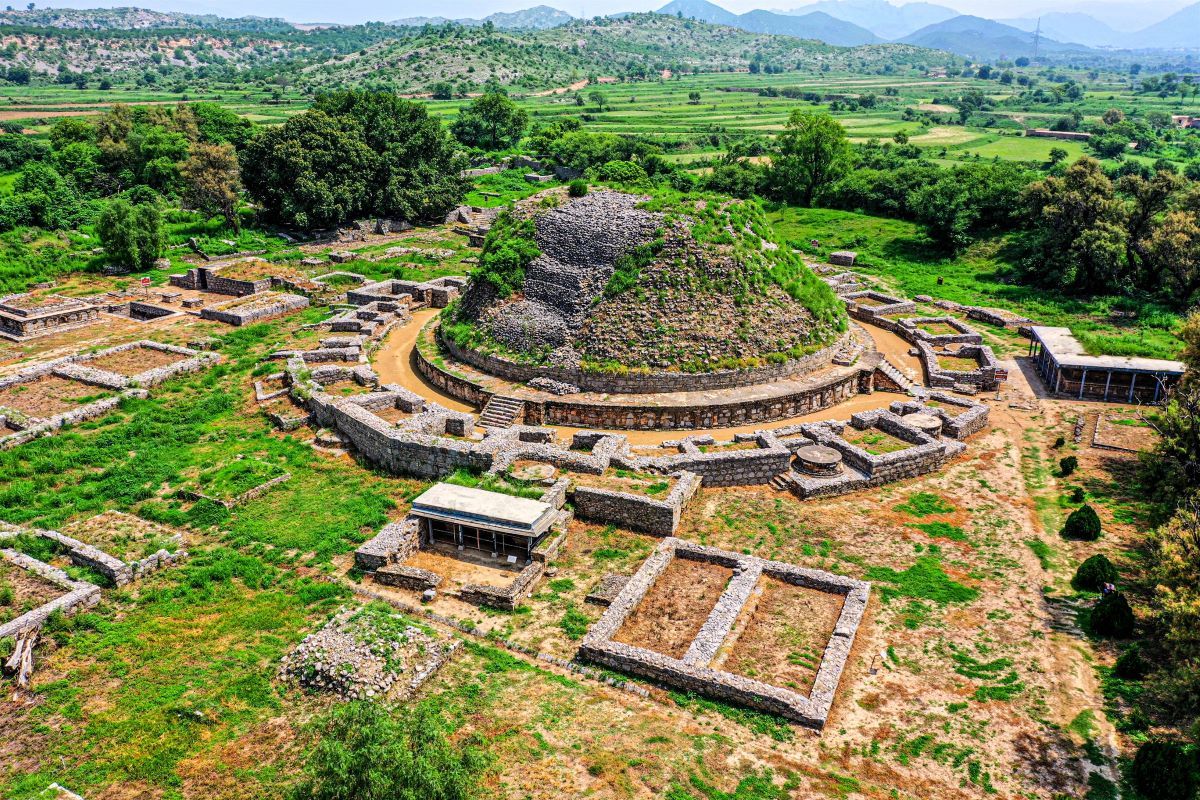
Heading north, Taxila (Punjab) reveals the crossroads of civilisations. This ancient city flourished under Persian, Greek, and Kushan influence, making it one of South Asia’s most significant centres of learning and culture. Its monasteries and stupas preserve the fusion of Hellenistic and Buddhist traditions, with delicate Gandharan sculptures that still inspire awe. For modern travellers, exploring Taxila is like opening a living history book where each layer of stone tells a different story.
3.) Takht-i-Bahi: A Tranquil Buddhist Monastery
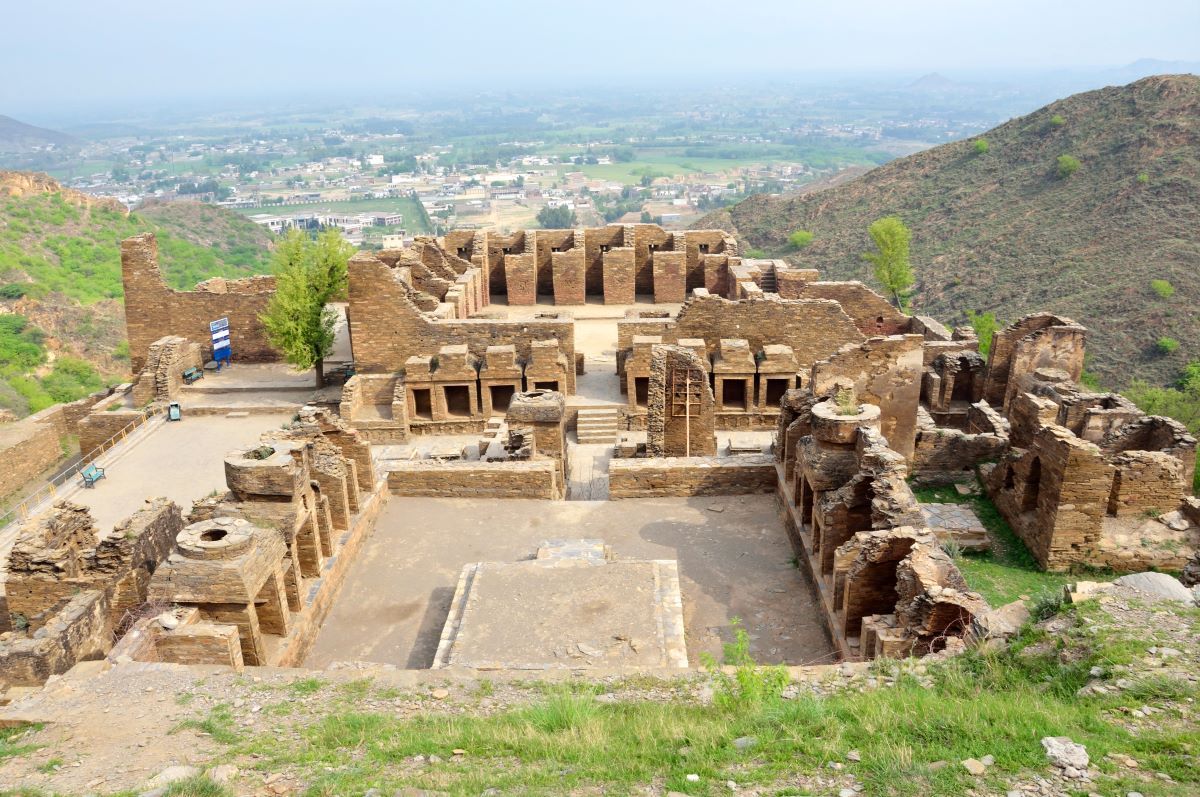
In Khyber Pakhtunkhwa, the hilltop monastery of Takht-i-Bahi stands as one of the best-preserved Buddhist monastic complexes in the region. Its stone courtyards, meditation cells, and stupas overlook fertile fields, offering a glimpse of the spiritual life of monks who once lived and studied here. Paired with the nearby remains of Sahr-i-Bahlol, the site is a serene retreat that rewards both hikers and history lovers.
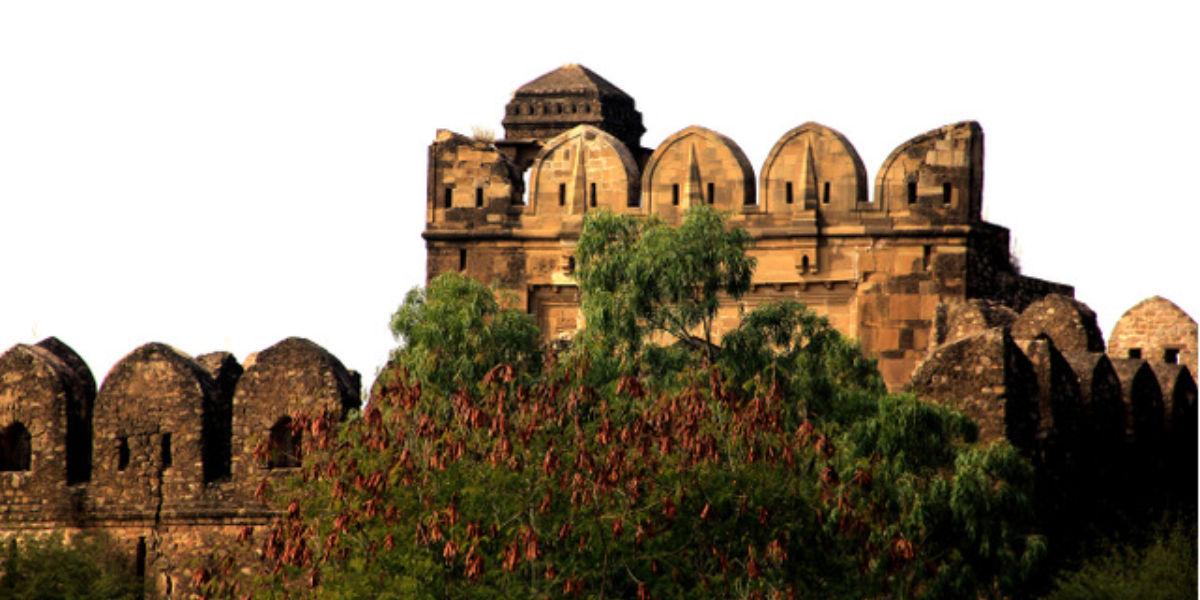
Dominating the landscape near Jhelum, Rohtas Fort (Punjab) showcases the ambition of military architecture. Built in the 16th century by Sher Shah Suri, its massive stone walls stretch for kilometres, punctuated by monumental gates and bastions. While designed for defence, the fort also blends Afghan, Turkish, and early Mughal styles, making it an architectural marvel. Walking through its Sohail Gate or along its ramparts, visitors sense the scale of empires and the power of stone as a symbol of endurance.
5.) Makli Necropolis: A City of Silence
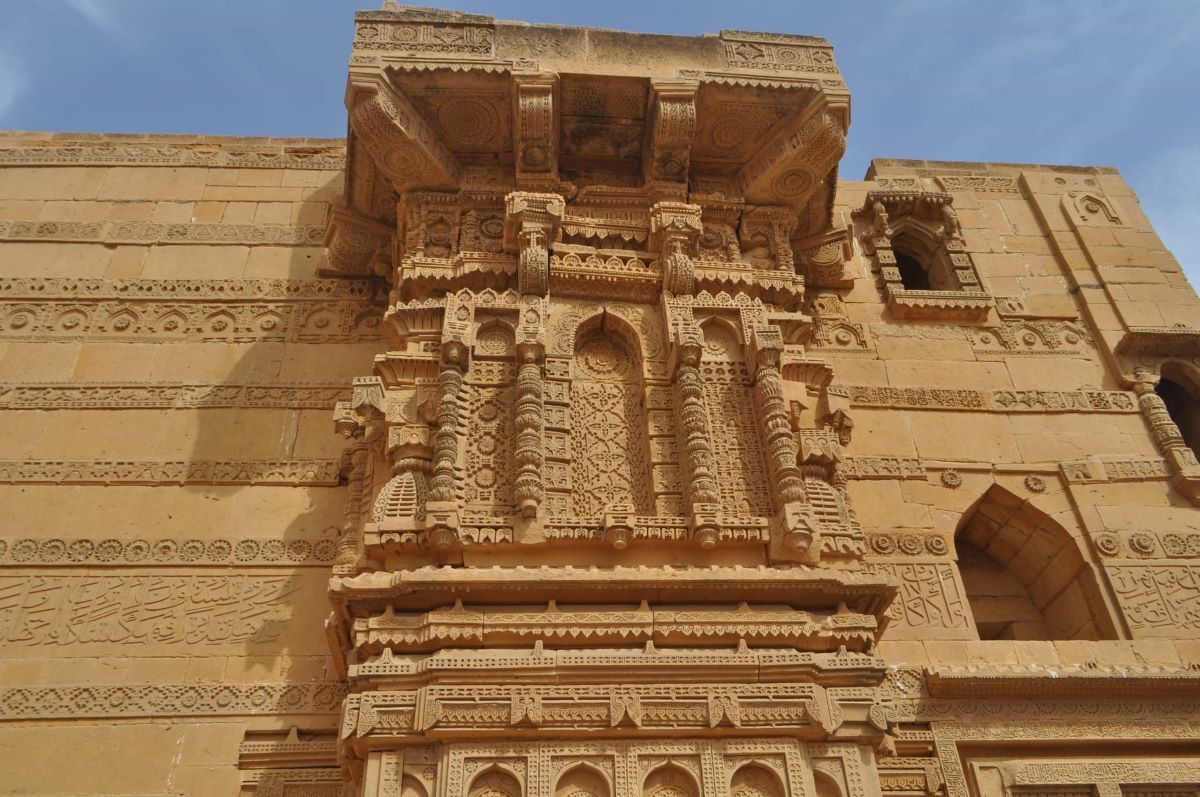
On the banks of the Indus delta, the Makli Necropolis (Sindh) spreads over ten square kilometres, housing thousands of elaborately carved tombs and monuments. Once a burial site for rulers, saints, and scholars, Makli reflects centuries of artistic evolution, from intricate sandstone carvings to glazed tilework. It feels like a city of silence where beauty and memory live on in stone.
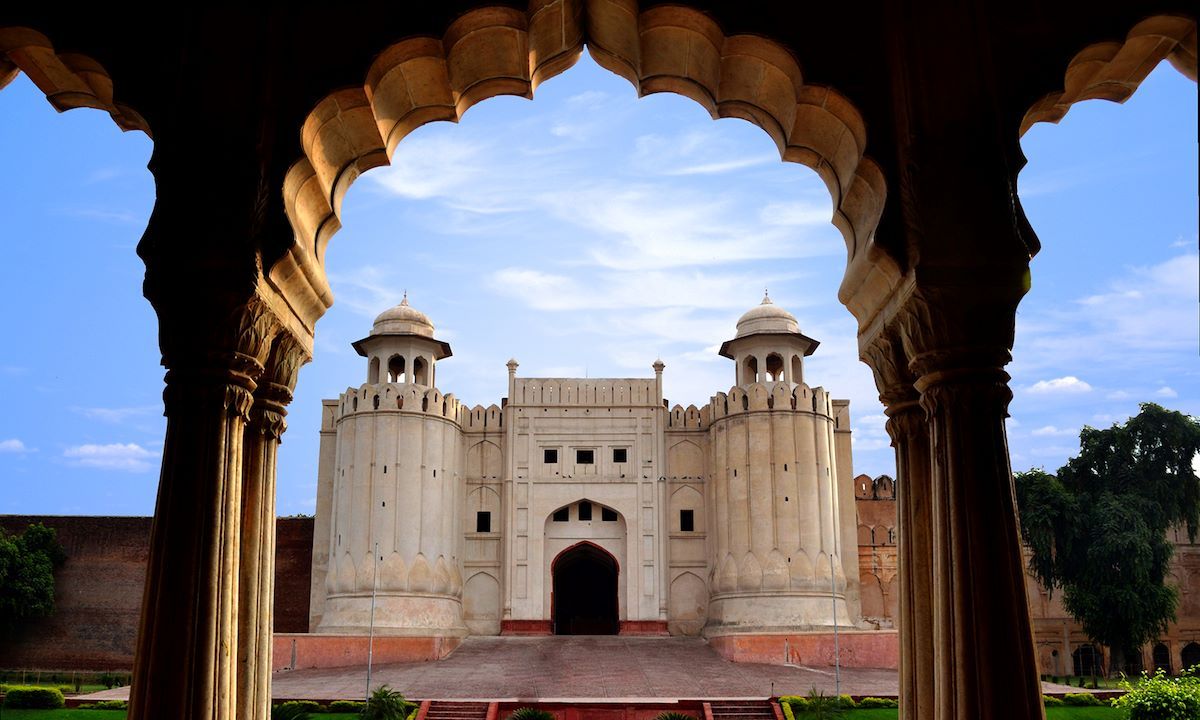
6.) Lahore Fort & Shalamar Gardens: Mughal Splendour
Finally, in Lahore, the Fort and Shalamar Gardens (Punjab) embody Mughal splendour. The Lahore Fort, with its Sheesh Mahal (Palace of Mirrors), stands as a masterpiece of craftsmanship, while the Shalamar Gardens offer cascading terraces, fountains, and symmetry that once entertained emperors. Together, they capture the cultural heart of Mughal South Asia and continue to enchant visitors with their timeless elegance.
From the ruins of one of the world’s oldest cities to the refined artistry of the Mughal Empire, these places invite travellers to walk through history while discovering the living culture of Pakistan today. All of these sights can be experienced on Xperience Pakistan most popular tour — The Cultural Heritage Tour of Pakistan — either in a group or as a private tour.
Visit the Xperience Pakistan stand AP211 to learn more about these six sites that form a journey across Pakistan’s provinces, weaving together threads of ancient civilisations, military might, spiritual sanctuaries, and imperial grandeur.
)